Building the Bridge Together: Why Unsupported Leadership Leaves Families Stranded
Share
By Tatjyana Elmore
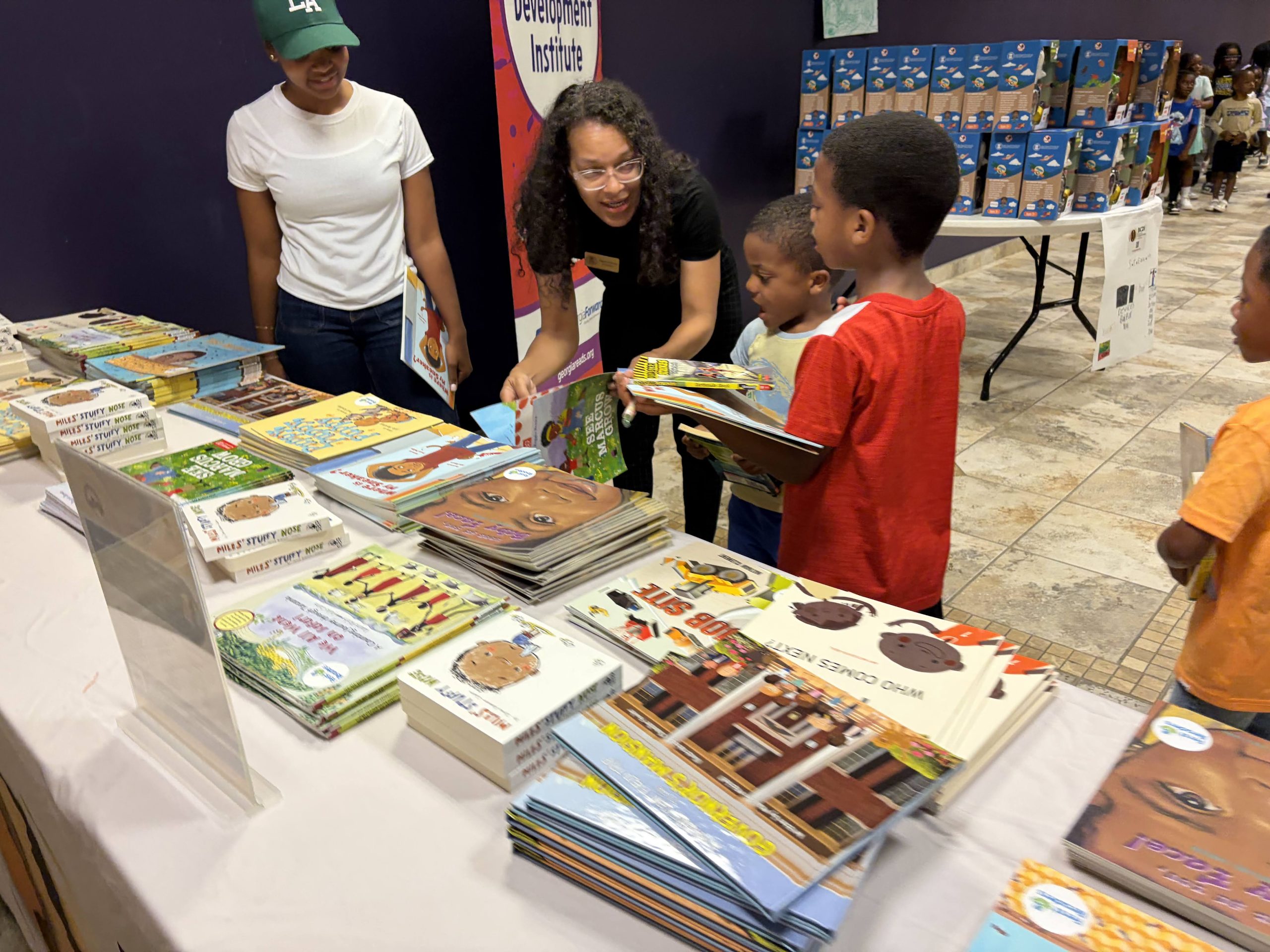
My journey in early childhood education didn’t begin with policy handbooks or board governance; it began in the classroom as an educator. I remember the pure joy of being in those rooms with toddlers and preschoolers, the intentional design behind every cognitive and emotional milestone, and the absolute trust parents placed in me to nurture their children’s brilliance. As I have shifted to become a nonprofit executive, a state-approved trainer, and a master certified coach, I remain, at my core, an educator and an advocate.
The Trial by Fire
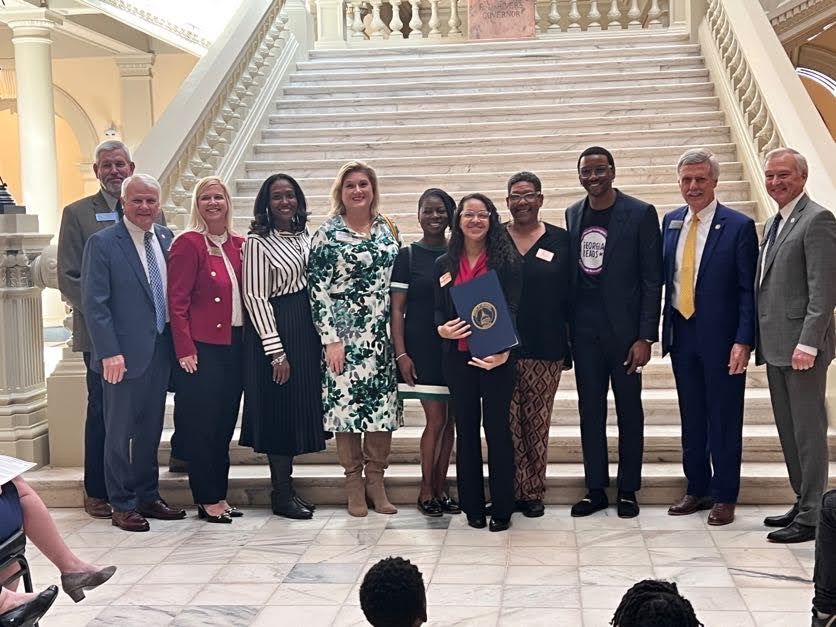
Years later, I had the honor of a lifetime when I became President of the Black Child Development Institute (BCDI) of Atlanta. Since 1981, BCDI-Atlanta has worked alongside children and families to ensure every child has the opportunity for a strong start in life. Through high-quality early learning, early literacy, and lasting partnerships with families, the organization connects parents to the resources and support they need to help their children thrive. Stepping into this role meant leading the organization’s daily operations and strategic vision while overseeing a budget dedicated to advancing opportunities for children and families. It was an incredible privilege, but it also became a trial by fire.
Although I had previously served as the board treasurer at BCDI, there was no clear guidance or leadership roadmap to help me navigate the operational complexities of running a major non- profit. I had to do what so many women of color in leadership are forced to do: I had to build the bridge while I was actively walking on it. I was able to survive and thrive by relying on the practical skills I had developed through years of working directly with educators, families, and young children.
The Trickle-Down Crisis
As I look at the landscape of early childhood education today, I have to ask: Why are we asking our education leaders to build their own bridges while they are still walking on them? When we leave educators and administrators without strong leadership development systems, we aren’t just failing them…we are failing the families who depend on them. The consequences never stop with leadership; they ripple through every classroom and every home.
When leaders are unsupported, educators burn out. When educators burn out, classroom quality suffers. And when classrooms suffer, families are left stranded on the other side of the river, trying to figure out how to cross without a bridge. What begins as a leadership challenge quickly becomes a family challenge.
That breakdown is often most visible in family engagement. Parents lose trusted partners just when they need them most, and children miss out on the stable, high-quality early learning experiences that lay the foundation for lifelong success. Families are left to navigate confusing systems without a guide, all while carrying the economic and emotional weight of raising children.
As a longtime leader in early learning, I lived this reality every day. I witnessed the agonizing challenge of being both a provider for the community and a provider for my own home. I saw brilliant educators pour 100% of their emotional and intellectual energy into nurturing other people’s children, only to return home with empty cups for their own families. I watched parents struggle to make sense of confusing state quality ratings, shifting childcare subsidies, and fragmented early learning options, feeling abandoned by the very systems designed to support them.
Shifting the Narrative in 2026
This is why I chose to align my life’s work with BCDI-Atlanta. I didn’t just want to manage a non-profit; I needed to be part of an organization that intentionally sees families as the absolute priority, not an afterthought. At BCDI-Atlanta, we are shifting the narrative. We are moving past the era of crisis management and turning our focus toward sustainable, institutional excellence. We must hold leadership development to the same high standards of quality that we expect in classroom learning. It’s essential to establish clear and structured pathways to equip our talented front-line educators, community advocates, and parents with the necessary tools for success. Nothing about us, without us. If we want an education system that is truly designed for the brilliance of young children, we must intentionally cultivate, protect, and guide the emerging voices who step up to lead it. I am using my platform to ensure that the next generation of leaders won’t have to guess how to navigate their professional journey, because we will have already paved the way.
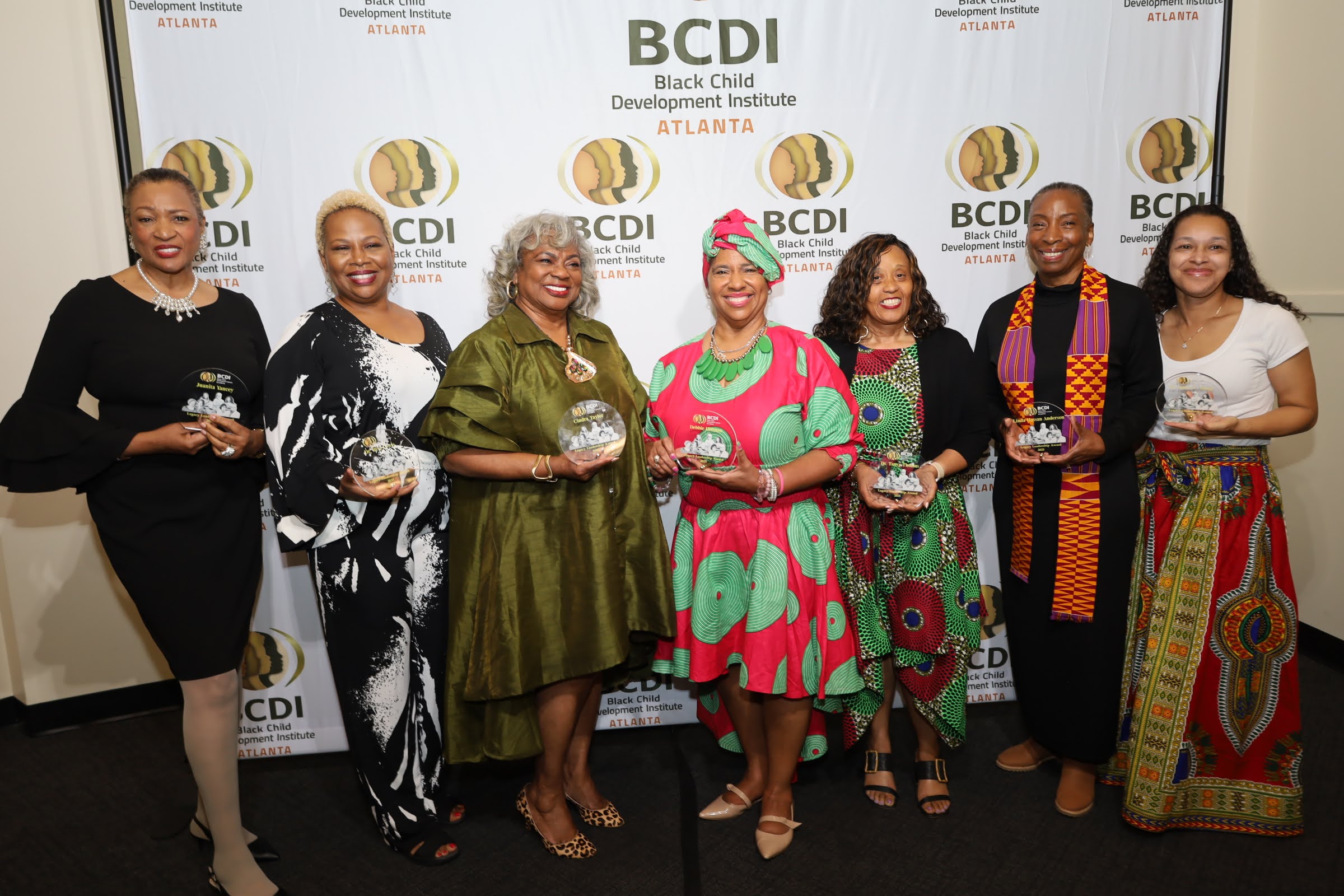
As we move through 2026, my vision for BCDI-Atlanta is to dismantle the isolation that plagues both early childhood leaders and the parents we serve. We cannot achieve educational sovereignty or true equity for young children if we keep forcing the adults in their lives to survive on grit alone. For our educators and directors, that means structured mentorship and leadership development so they can run stable, high-quality centers. For our parents, that means transparent resources, direct advocacy, and a seat at the decision-making table.
Join Us in Building the Bridge
To support our families and educators in crossing this bridge together, BCDI-Atlanta is proud to champion these vital community pillars this year:
- Literacy Resources for Children: Our Read To Succeed Program focuses on early literacy and culturally responsive reading strategies.
- Family Engagement Resources: Our Powerful Families Program equips parents with the tools to advocate for their child’s educational journey.
- Early Childhood Educator Resources: Our Expand ECE Program provides the professional development and leadership pathways our front-line workforce deserves.
- Policy and Advocacy Resources: Our Policy and Advocacy work engages members and the broader community in activities designed to address local and state civic matters affecting Black children and families in Georgia.
Tatjyana Elmore is the President of the Black Child Development Institute (BCDI)-Atlanta, a 501(c)3 Georgia non-profit organization dedicated to safeguarding and motivating the education, health, and wellness of Black children and families. A true practitioner-leader, Tatjyana’s career spans over a decade of frontline and executive experience in early childhood education, having served as a Head Start Lead Teacher, Center Director, and Director of Quality and Professional Development before stepping into the presidency. She holds a Master’s degree in Adult Education, is a Master Professional Certified Coach, and leverages her extensive background in quality assurance and grant management to build sustainable, equitable educational systems across Georgia. To connect with Tatjyana or to learn more about BCDI-Atlanta’s 2026 initiatives, visit www.bcdiatlanta.org or find her on LinkedIn. Tatjyana is an active member of NPU’s Parent Power Collective and NPU’s Kids First Caucus.
###
ABOUT THE NATIONAL PARENTS UNION
With more than 1,800 affiliated parent organizations in all 50 states, Washington, D.C. and Puerto Rico, the National Parents Union is the united, independent voice of modern American families. We channel the power of parents into powerful policies that improve the lives of children, families and communities across the United States. https://nationalparentsunion.org/